

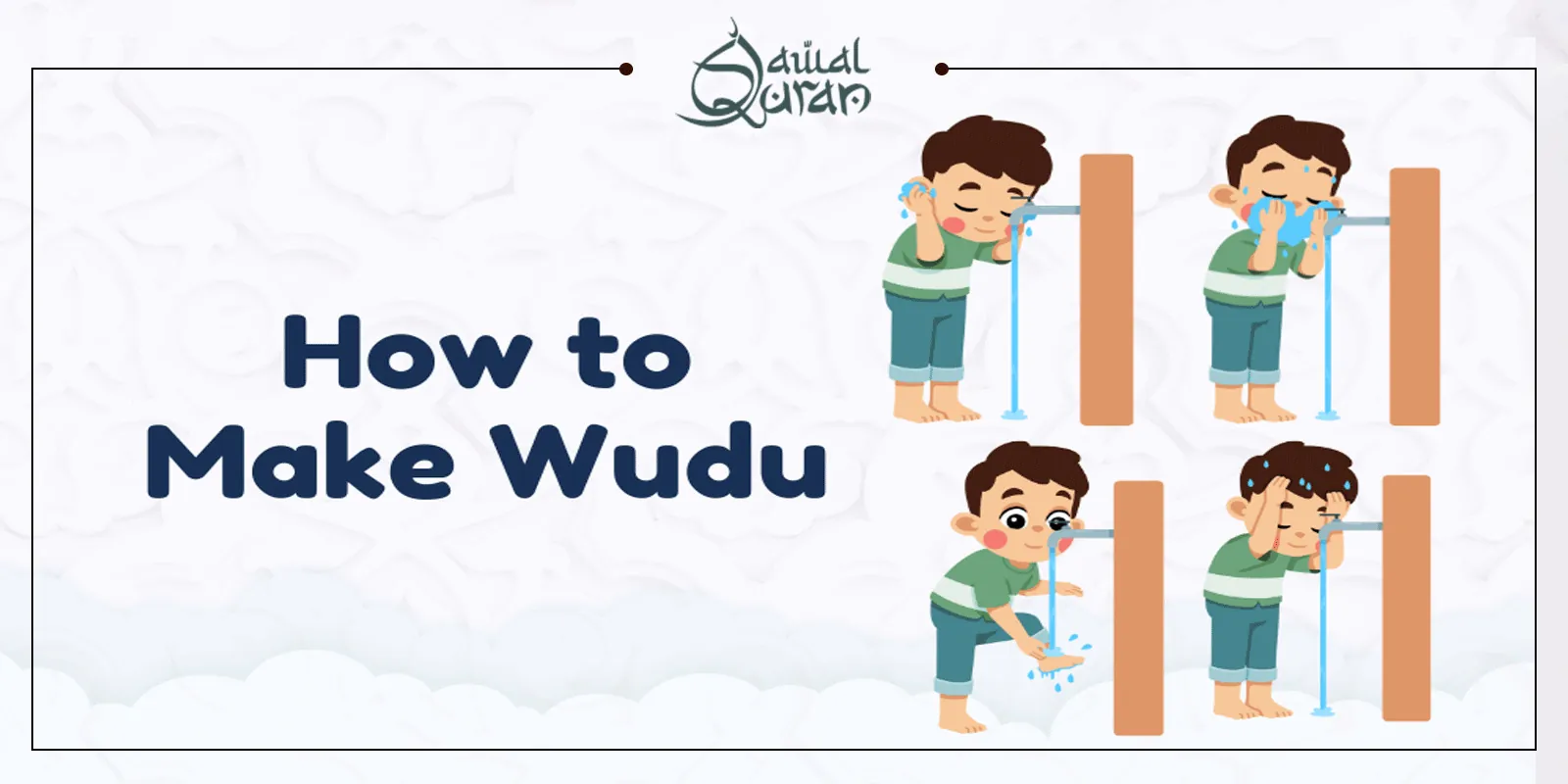
Whether you are a new Muslim learning how to do Ablution for the first time, or a practicing Muslim looking to refine your steps of ablution, this guide is for you. Wudu — also spelled Wudhu or Wudho — is the Islamic act of ritual purification performed before Salah (prayer). Understanding how to perform Wudu step by step is one of the most essential foundations of Islamic worship.
In Islam, cleanliness is considered half of faith. The Prophet Muhammad (peace be upon him) emphasized the importance of purification in countless Hadiths. This blog will walk you through what is Ablution, why it matters, the complete steps of Wudu in order, supporting Hadiths, and Quranic verses — so you can perform Wudu with confidence, knowledge, and sincerity.
This guide covers how to make Wudu for men and women, including how to make Wudu step by step with clear descriptions for every action. By the end, you will have a thorough understanding of how to do ablution Wudu properly and with full awareness of its spiritual significance.
What is Wudu?
Wudu meaning in Islam refers to the ritual purification of specific body parts with water before performing acts of worship such as Salah (prayer), reciting the Quran, or performing Tawaf. The word 'Wudu' (وضوء) is derived from the Arabic root 'Wada'ah' (وضاءة) meaning cleanliness and radiance.
So what is Wudu and why is it important? Ablution is a condition (shart) for the validity of prayer. Without it, the prayer is not accepted. Allah says in the Quran: 'O you who have believed, when you rise to pray, wash your faces and your forearms to the elbows...' (Quran 5:6). This verse directly instructs Muslims on making ablution before standing in prayer.
Step By Step Guide — How to Perform Wudu
Below is the complete Wudu order as taught by the Prophet Muhammad (peace be upon him). This is how to perform Wudu step by step, covering all the Wudu steps in order. Follow each step carefully, beginning with the right intention (Niyyah) in your heart.
Wudu is an important act of purification in Islam that prepares a Muslim for prayer and other acts of worship. Below is the complete step-by-step method of how to perform Wudu according to the Sunnah of Prophet Muhammad ﷺ. Follow each step carefully and make sure every required part is washed properly.
Before You Begin: Make the Intention (Niyyah)
Before starting Wudu, make the intention silently in your heart that you are performing Wudu for the sake of Allah and to purify yourself for prayer. The intention does not need to be spoken aloud, but it should be present in your heart.
Step 1: Saying Bismillah — بِسْمِ اللهِ
Begin Wudu by saying “Bismillah” (In the name of Allah). This is a Sunnah act and highly recommended before starting. The Prophet ﷺ emphasized the importance of beginning Ablution with the name of Allah.
Step 2: Washing the Hands — غَسْلُ الْيَدَيْن
Wash both hands up to the wrists three times, starting with the right hand. Make sure water reaches between the fingers. This is the first cleansing step and prepares the hands for the rest of the Ablution process.
Step 3: Rinsing the Mouth (Madmadah) — الْمَضْمَضَة
Take water into your mouth using your right hand and rinse thoroughly three times. Swirl the water around properly and spit it out each time. This Sunnah action helps cleanse the mouth before prayer.
Step 4: Cleaning the Nose (Istinshaq) — الاِسْتِنْشَاق
Sniff water gently into the nostrils three times using the right hand, then blow it out with the left hand. This step cleans the nasal passages and is an important part of the Sunnah method of Ablution.
Step 5: Washing the Face — غَسْلُ الْوَجْه
Wash the entire face three times, from the forehead hairline down to the chin and from one ear to the other. If you have a beard, run wet fingers through it so water reaches the skin underneath. Washing the face is one of the obligatory (Fard) acts of Wdu.
Step 6: Washing the Arms — غَسْلُ الْيَدَيْن إِلَى الْمِرْفَقَيْن
Wash the right arm from the fingertips up to and including the elbow three times, then repeat the same for the left arm. Always start with the right side. This is also one of the four obligatory acts mentioned in the Quran (Surah Al-Ma’idah 5:6).
Step 7: Wiping the Head (Masah) — مَسْحُ الرَّأْس
Wet your hands and wipe over the head once, moving from the front of the head to the back and then returning to the front. After that, wipe the inside of the ears with the index fingers and the outside with the thumbs. This step is performed once only.
Step 8: Washing the Feet — غَسْلُ الْقَدَمَيْن
Wash the right foot including the ankle three times, making sure water reaches between the toes. Then wash the left foot in the same way. Washing the feet is the final obligatory step of Wudu.
Step 9: Reciting the Shahada After Wudu — الشَّهَادَة
After completing Wudu, it is Sunnah to recite the Shahada:
“Ash-hadu an la ilaha illallah wahdahu la sharika lah, wa ash-hadu anna Muhammadan abduhu wa rasuluh.”
The Prophet ﷺ said that whoever recites this after Wudu will have the eight gates of Paradise opened for them.
Special Note for Women — How to Make Wudu for Women
The method of Wodu is the same for both men and women. Women do not need to untie or undo their hair while performing Masah. They only need to wipe over the hair from front to back. It is also important for women to ensure water properly reaches all required areas of the face, arms, and feet during Wudu.
Learn Namaz Step by Step with Awwal Quran
Now that you understand how to make Wudu properly, the next step is learning Salah correctly. Wudu and Salah go hand in hand because purification is the key to prayer. Whether you are a beginner, a new Muslim, or teaching your children, our Namaz course can help you learn every prayer step clearly with guidance from qualified teachers.

Why do Muslims do Wudu?
The reasons are both physical and spiritual. Physically, Wudu promotes cleanliness of the hands, face, mouth, nose, arms, head, ears, and feet. Spiritually, it is a state of ritual purity that connects the worshipper to Allah. Scholars note that maintaining Wudu throughout the day keeps a Muslim in a constant state of readiness for worship.
Benefits of Wudu in Islam
Erases minor sins (as narrated in Sahih Muslim) Brings light (Noor) to the face on the Day of Judgment Promotes physical hygiene and cleanliness Strengthens spiritual connection and mindfulness The benefits of maintaining Wudu include Angels seeking forgiveness on your behalf Wudu before sleep is a Sunnah and protects from Shaytan during night.
What Can Invalidate Wudu?
Knowing how to perform Wudu correctly is important, but it is equally important to know what breaks it. Certain actions can invalidate your purification and require you to renew your Wudu before Salah. Read our complete guide on "What Breaks Wudu: 6 Conditions You Should Know" to understand the common reasons Wudu becomes invalid.
Hadith on Wudu
The Prophet Muhammad (peace be upon him) spoke extensively about how to do Wudu and its virtues. These authentic Hadiths provide us with the Sunnah method of ablution and the spiritual benefits of maintaining it.
Hadith 1 — The Light of Wudu on the Day of Judgment
"تَبْلُغُ الْحِلْيَةُ مِنَ الْمُؤْمِنِ حَيْثُ يَبْلُغُ الْوُضُوء"
"The adornment of the believer (in Paradise) will reach the places where the water of Wudu reaches."
— Sahih Muslim, Book 2, Hadith 40

Hadith 2 — Wudu Removes Sins
"إِذَا تَوَضَّأَ الْعَبْدُ الْمُسْلِمُ فَغَسَلَ وَجْهَهُ خَرَجَ مِنْ وَجْهِهِ كُلُّ خَطِيئَة"
"When a Muslim servant performs Wudu and washes his face, every sin his eyes have committed is washed away with the water (or the last drop of water). When he washes his hands, every sin his hands have committed is removed. Until at the end, he comes out cleansed of sins."
— Sahih Muslim, Book 2, Hadith 32
Hadith 3 — Key to Prayer
"مِفْتَاحُ الصَّلَاةِ الطَّهُورُ"
"The key to prayer is purification (Taharah/Wudu)."
— Sunan Abu Dawud, Hadith 61 — Classified as Sahih
Hadith 4 — Wudu is Half of Faith
"الطَّهُورُ شَطْرُ الإِيمَانِ"
"Purification (Wudu/Taharah) is half of faith."
— Sahih Muslim, Book 2, Hadith 1
Hadith 5 — Reward for Maintaining Wudu
"لَا يُحَافِظُ عَلَى الْوُضُوءِ إِلَّا مُؤْمِن"
"None maintains Wudu consistently except a true believer."
— Sunan Ibn Majah, Hadith 277 — Classified as Hasan
Quran Verses on Wudu
The steps of ablution are directly rooted in the Quran. Allah (SWT) commanded us on how to make Wudu and how to perform Wudu in clear, detailed instructions. Below are the primary Quranic references on making ablution and purification.
Verse 1 — Surah Al-Ma'idah (5:6) — The Wudu Verse
يَا أَيُّهَا الَّذِينَ آمَنُوا إِذَا قُمْتُمْ إِلَى الصَّلَاةِ فَاغْسِلُوا وُجُوهَكُمْ وَأَيْدِيَكُمْ إِلَى الْمَرَافِقِ...
"O you who have believed, when you rise to pray, wash your faces and your hands up to the elbows, and wipe over your heads, and wash your feet to the ankles. And if you are in a state of janabah (impurity), then purify yourselves (by taking a bath). But if you are ill or on a journey or one of you comes from the place of relieving himself or you have had contact with women and do not find water, then seek clean earth and wipe over your faces and hands with it. Allah does not intend to make difficulty for you, but He intends to purify you and complete His favor upon you that you may be grateful."
— Surah Al-Ma'idah, Quran 5:6
This is the most important verse regarding how to do ablution Wudu. It mentions four Fard (obligatory) acts of Wudu: (1) Washing the face, (2) Washing the arms to the elbows, (3) Wiping the head, and (4) Washing the feet. This verse is the Quranic foundation for the Wudu order in Islam.
Verse 2 — Surah Al-Baqarah (2:222) — Love for the Pure
إِنَّ اللَّهَ يُحِبُّ التَّوَّابِينَ وَيُحِبُّ الْمُتَطَهِّرِينَ
"Indeed, Allah loves those who are constantly repentant and loves those who purify themselves."
— Surah Al-Baqarah, Quran 2:222
Verse 3 — Surah At-Tawbah (9:108) — Mosques of Purity
فِيهِ رِجَالٌ يُحِبُّونَ أَن يَتَطَهَّرُوا وَاللَّهُ يُحِبُّ الْمُطَّهِّرِينَ
"Within it are men who love to purify themselves; and Allah loves those who purify themselves."
— Surah At-Tawbah, Quran 9:108
These Quranic verses remind us that the benefits of Wudu in Islam go far beyond physical cleanliness. Allah SWT loves those who purify themselves, and making ablution is one of the greatest acts of worship a Muslim can maintain daily.
Conclusion
Learning how to do Wudu properly is one of the most fundamental acts of a Muslim's daily life. Whether you searched for how to perform Wudu — we hope this guide has provided you with clarity, understanding, and the confidence to purify yourself before every Salah.
The steps of Wudu are clear, easy to learn, and deeply rewarding when performed with mindfulness and sincerity. Make Wudu a habit — not just before prayer, but as part of your daily routine. The benefits of Wudu in Islam are both spiritual and physical, and why Muslims do Wudu is ultimately because it is an act of love and obedience to Allah SWT.
May Allah accept your Wudu and Salah آمين يا رب العالمين
FAQs
Is Wudu compulsory before every prayer?
Yes, Wudu is required before Salah if your previous Wudu has been broken. If your Wudu remains valid, you do not need to perform it again.
What are the four Fard acts of Wudu?
The four obligatory acts of Wudu are washing the face, washing both arms up to the elbows, wiping over the head, and washing both feet up to the ankles.
Does sleeping break Wudu?
Deep sleep generally breaks Wudu because a person loses awareness. Light sleep while maintaining awareness may have different rulings depending on Islamic scholars.
Is the method of Wudu different for men and women?
No, the steps of Wudu are the same for men and women. Women only do not need to undo their hair while performing Masah.
Can I read the Quran without Wudu?
Many scholars state that touching the physical Mushaf (Quran) requires Wudu. However, reciting from memory or reading from a phone may have different scholarly opinions.
What should I do if I do not have water for Wudu?
If water is unavailable or using it would cause harm, Islam allows Tayammum, which is purification using clean earth or dust as explained in the Quran.


