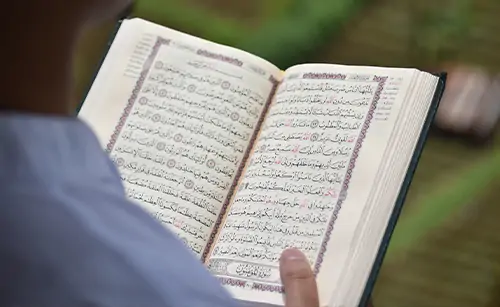
In Islam, Salat al-Zuhr—also known as Dhuhr prayer or Zohar namaz—is one of the five daily obligatory prayers. It holds a special place as it is performed during the middle of the day when the sun begins to decline from its zenith. Every Muslim, whether at home, work, or school, can easily learn how to pray Zuhr prayer through a simple step-by-step method.
This guide from Namaz Guide explains how to perform Dhuhr prayer, the number of rakats in Zuhr, and its spiritual benefits in daily life.
What Is Zuhr (Dhuhr) Prayer?
Zuhr prayer (or Salat al-Dhuhr) is the midday prayer offered after the sun has passed its highest point. The word “Dhuhr” in Arabic (الظُّهْر) means “noon.” In English, it’s known as the afternoon prayer.
Performing Dhuhr prayer connects a believer to Allah during a busy part of the day, reminding them to pause, reflect, and recharge spiritually. Those wondering “what is Dhuhr” or the meaning of Dhuhr should know that it represents peace, discipline, and mindfulness.
How Many Rakats in Zuhr Prayer?
Understanding how many rakats in Zuhr prayer is crucial for performing it correctly. Instead of memorizing a table, here’s a simple explanation:
- Before the main Fard (obligatory) prayer, Muslims perform four Sunnah rakats.
- Then come four Fard rakats, which are mandatory and must not be missed.
- After the Fard, two Sunnah rakats are offered again, showing extra devotion.
- Finally, many believers perform two Nafl rakats, which are optional but highly rewarding.

So, in total, Zuhr prayer has up to 12 rakats for those who complete all Sunnah and Nafl rakats. However, the obligatory (Fard) rakats of Zuhr are only four.
- For clarity:
Sunnah before: 4
Fard: 4
Sunnah after: 2
Nafl: 2
Many people ask “how many rakats in Dhuhr” or “how many rakat is Zuhr”—the answer remains consistent: four are mandatory, while the rest are optional for extra reward.
How to Perform Zuhr Prayer (Step-by-Step Guide)
For anyone learning how to perform Dhuhr prayer or how to pray Zuhr salah, follow these simple steps with calm focus:
Step 1: Make Intention (Niyyah)
Face the Qiblah and make an intention in your heart:
“I intend to perform four rakats of Zuhr prayer for Allah.”
Step 2: Begin with Takbir
Raise both hands to your ears and say “Allahu Akbar” (الله أكبر).
Step 3: Recite Surah Al-Fatihah and Another Surah
Recite Surah Al-Fatihah, then add another Surah like Al-Ikhlas, Al-Asr, or Al-Kawthar.
Step 4: Perform Ruku and Sujood
Bow into Ruku, saying Subhana Rabbiyal Azeem three times. Then move into Sujood, saying Subhana Rabbiyal A’la. These actions reflect humility before Allah.
These steps are the same for all 4 rakat prayers step by step, including Salat al-Dhuhr.
Step 5: Sit for Tashahhud and End with Salam
After completing four rakats, sit in Tashahhud, recite At-Tahiyyat, Durood Shareef, and a Dua.
End your prayer by turning your head to the right and left, saying:
“Assalamu Alaikum wa Rahmatullah.”
This completes the Zuhr namaz rakat.
Importance of Performing Zuhr on Time
Performing Salat al-Zuhr at its proper time is highly rewarding. The Prophet Muhammad ﷺ emphasized praying at the earliest possible time. Zuhr prayer time begins right after the sun passes its zenith and lasts until an object’s shadow is twice its length.
Whether called Salat Dhohr, Dhuhr prayer, or Zuhr namaz, it symbolizes consistency and spiritual discipline.
Zuhr Prayer Sunnah and Flexibility
Islam encourages flexibility and ease in worship. If someone misses the Sunnah of Zuhr, they may perform it later. The Zuhr prayer Sunnah was beloved to the Prophet ﷺ, and regularly performing it brings immense blessings.
At workplaces or schools, one can offer Dhuhr namaz quietly in a private space—showing Islam’s emphasis on practicality and peace.
How to Perform 4 Rakat Prayer Step-by-Step (Zuhr Example)
Many people specifically search for how to perform 4 rakat prayer or how to pray 4 rakats Zuhr namaz.
Here’s a clear and simple way to perform the four obligatory (Fard) rakats of Salat al-Zuhr correctly:
First Rakat
- Stand facing the Qiblah and make Niyyah (intention):
“I intend to perform four rakats Fard of Zuhr prayer for Allah.” - Say Takbir – Allahu Akbar.
- Recite Surah Al-Fatihah, followed by a short Surah (e.g., Al-Ikhlas).
- Perform Ruku saying Subhana Rabbiyal Azeem three times.
- Go down for two Sujoods, reciting Subhana Rabbiyal A’la each time.
- Stand up for the second rakat.
Second Rakat
- Recite Surah Al-Fatihah and another Surah.
- Perform Ruku and Sujood again.
- After the second Sujood, sit in Tashahhud and recite:
At-Tahiyyat lillahi was-salawatu wat-tayyibat... - Then stand up for the third rakat.

Third Rakat
- Recite only Surah Al-Fatihah (you can skip an additional Surah if desired).
- Perform Ruku and Sujood as before.
- Stand for the fourth rakat.
Fourth Rakat
- Recite Surah Al-Fatihah again.
- Perform Ruku and Sujood as usual.
- Sit in final Tashahhud, recite:
- At-Tahiyyat
- Durood Shareef
- Any short Dua (e.g., Rabbana Atina fid-dunya hasanah...)
- At-Tahiyyat
- End by turning your head to the right and left, saying:
“Assalamu Alaikum wa Rahmatullah.”
That’s it — this completes the 4 rakat Zuhr Fard prayer step-by-step.
For a detailed visual and pronunciation reference, visit our complete Namaz Guide page.
Dhuhr Prayer in English (Simple Explanation)
In English, Dhuhr prayer means “the noon prayer.” It’s performed after the sun reaches its highest point and before Asr prayer. The Dhuhr prayer in English can be described as a peaceful act of midday worship that helps refresh one’s mind, soul, and connection with Allah.
After completing Zuhr, Muslims are encouraged to read beautiful supplications from Dua After Namaz.
Conclusion
Learning how to pray Zuhr prayer step by step allows Muslims to strengthen their relationship with Allah through consistent practice. The Zuhr prayer isn’t just a daily obligation—it’s a spiritual pause that brings peace, discipline, and focus.
Whether you call it Salat al-Zuhr, Dhuhr prayer, or Zohar namaz, the devotion and sincerity behind it are what truly matter.
By following these Dhuhr prayer steps, Muslims of all ages can perfect their worship and find tranquility in every rakat.
Frequently Asked Questions (FAQs)
What is Dhuhr prayer and when is it performed?
Dhuhr prayer, or Zuhr, is the second daily prayer performed just after midday, when the sun starts to decline.
How many rakats in Zuhr prayer?
There are 12 rakats in Zuhr prayer—4 Sunnah before, 4 Fard, 2 Sunnah after, and 2 Nafl. However, only four Fard are obligatory.
What is the difference between Dhuhr and Zuhr?
Both words mean the same prayer. “Dhuhr” is the Arabic pronunciation, while “Zuhr” or “Zohar” are English-transliterated versions.
How to perform Dhuhr prayer step by step?
The prayer includes making intention, saying Takbir, reciting Surahs, performing Ruku and Sujood, and ending with Tasleem.
How many Sunnah are there in Dhuhr?
There are six Sunnah rakats in total (four before Fard and two after).
What is the pronunciation of Dhuhr?
It’s pronounced as “Zuhr” with a soft “z” sound at the beginning.
How can I learn Namaz easily?
You can explore our complete Namaz Course for detailed steps, videos, and recitations.
What should I read after Zuhr prayer?
After completing Zuhr, recite Dua After Namaz and other daily adhkar for peace and blessings.