

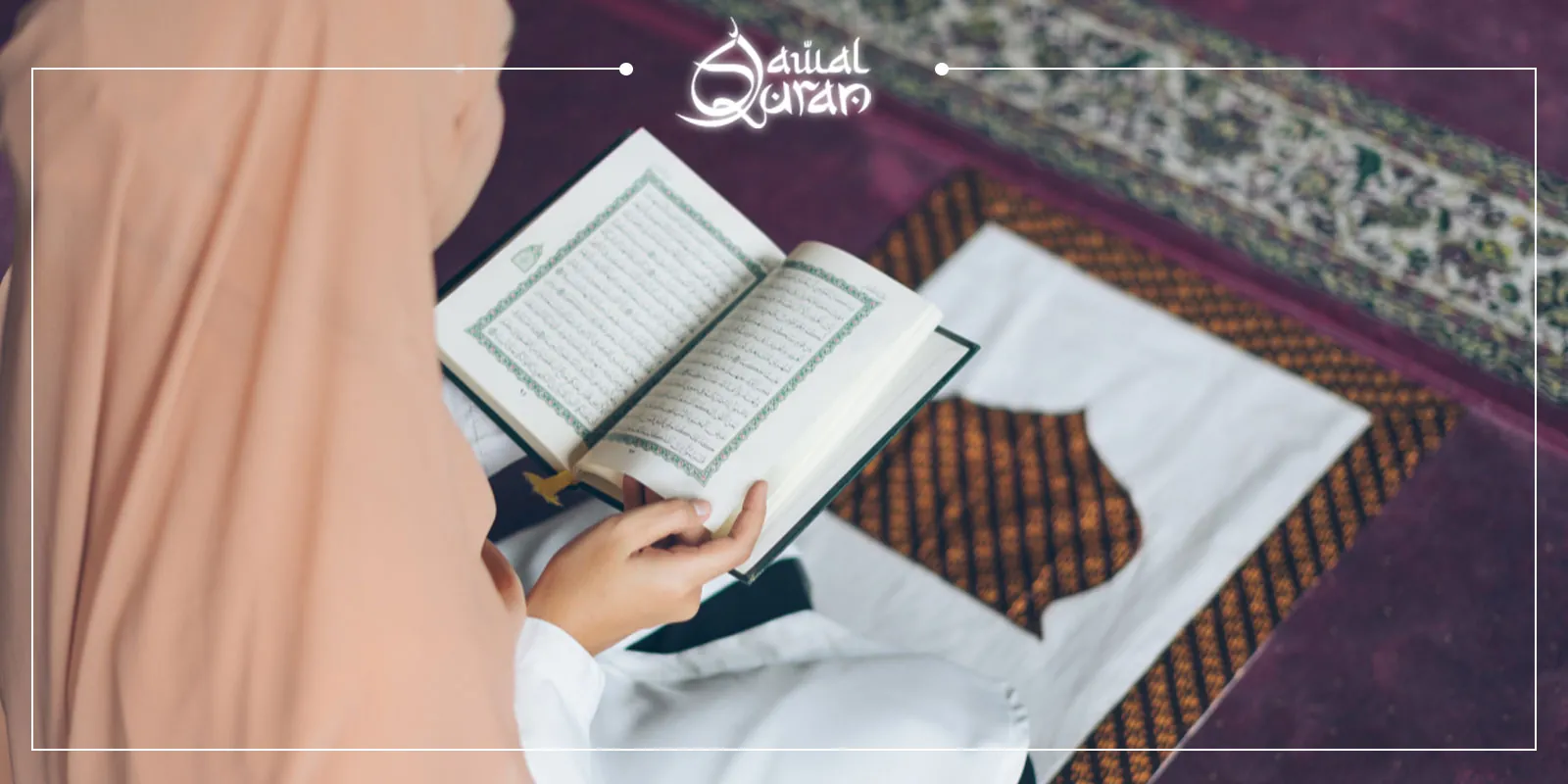
Learning the Quran no longer requires traveling to a mosque or madrasa. With online Quran classes, anyone — child, adult, or beginner — can learn from home with a qualified teacher. This guide breaks the process into simple steps so you can start your journey today with Awwal Quran.
Why Learn Quran Online at Home?
Online learning removes the biggest barriers to Quran education: distance, time, and access to good teachers. You can learn at your own pace, in a familiar environment, and choose a teacher who fits your comfort level. For busy professionals, parents, and students, this flexibility often makes the difference between starting and never starting.
Step 1: Set a Sincere Intention (Niyyah)
Before anything technical, begin with your niyyah. Remind yourself that learning the Quran is an act of worship, not just a skill to acquire. A sincere intention keeps you consistent on days when motivation is low and makes every minute of study count as a good deed.
Step 2: Choose a Reliable Online Quran Academy
Not all platforms are equal. When comparing academies, look for:
- Qualified, experienced male and female teachers
- One-on-one live classes (not pre-recorded videos)
- A free trial class before you commit
- Flexible scheduling across time zones
- Courses covering Tajweed, Hifz, Tafseer, and Islamic Studies

At Awwal Quran, our About Us page outlines our teachers' qualifications and teaching approach, so you know exactly who you're learning from before you start.
Step 3: Define Your Learning Goals
Ask yourself what you actually want to achieve. Common goals include:
- Learning to read the Quran correctly from scratch
- Improving Tajweed and pronunciation
- Memorizing (Hifz) full or partial Quran
- Understanding meanings through Translation and Tafseer
Once your goal is clear, browse our Quran Courses page to find the program that matches it — each course is built around a specific outcome rather than a generic curriculum.
Step 4: Set Up a Distraction-Free Study Space
Your environment affects how well you focus. Set up a quiet corner with a stable internet connection, headphones for clear audio, and your Quran, notebook, and pen within reach. Even a small, dedicated space signals to your brain that it's time to focus.
Step 5: Take a Free Trial Class
Before committing to a course, book a free trial class. Use it to evaluate the teacher's communication style, patience, and teaching method. Don't hesitate to try more than one teacher — finding the right fit early prevents frustration later.
Step 6: Build a Consistent Schedule
Consistency beats intensity. Studying 20–30 minutes daily produces better long-term results than occasional two-hour sessions. Pick a time when you're mentally fresh, and set a reminder so it becomes a habit rather than a daily decision.
Step 7: Start With the Basics (Qaida)
Beginners should start with our Qaida Course, which teaches:
- Arabic letters and their correct sounds
- How letters join to form words
- Correct pronunciation (Makharij)
- Short vowels (Harakaat) and Sukoon

Once the Qaida is complete, you're ready to move into Nazira — reading the Quran itself with proper Tajweed.
Step 8: Focus on Tajweed
Our Tajweed Course ensures you recite the Quran the way it was revealed. A qualified teacher corrects your pronunciation in real time and guides you through rules like Noon Saakin, Meem Saakin, Madd, and Qalqalah. This step is where online, one-on-one teaching really outperforms self-study, since mistakes are caught and corrected immediately.
Step 9: Begin Hifz in Small Portions
If memorization is your goal, our Hifz Course breaks it into manageable pieces: start with shorter Surahs from Juz Amma, repeat each verse daily until it's firm, and revise previously memorized portions regularly. Small, steady steps prevent burnout and help retention stick long-term.

Step 10: Learn Translation and Tafseer
Reading the Quran is only part of the journey — understanding it deepens the connection. Our Tafseer Course is offered in English, Urdu, and other languages, helping you reflect on meanings and apply them in daily life.
Conclusion
Learning the Quran online at home is practical, flexible, and genuinely effective when approached step by step. Start with intention, choose the right teacher, build a routine, and stay consistent — the rest follows naturally. Whether you're a complete beginner or working toward Hifz, Awwal Quran is here to guide every step. Every verse you learn, however small the step, brings you closer to your goal.
Ready to begin? Book your free trial class today and take your first step toward learning the Quran with a qualified teacher, from the comfort of your home.
Frequently Asked Questions
How long does it take to learn the Quran online?
It depends on your goal and consistency. Learning to read correctly with Tajweed can take a few months with daily practice, while full memorization (Hifz) can take one to several years depending on pace and prior experience.
Is online Quran learning effective for children?
Yes, when paired with a patient, qualified teacher and parental support. Short, focused sessions of 20–30 minutes work best for younger learners, and one-on-one attention often produces faster progress than group classroom settings.
Do I need to know Arabic before starting?
No. Most students start as absolute beginners with a Qaida course that teaches Arabic letters, sounds, and pronunciation from the ground up before moving into Quran reading.
What equipment do I need for online Quran classes?
Just a stable internet connection, a computer or smartphone, and headphones for clear audio. No special software just TEAM used is usually required beyond a video calling app the academy provides.
Is the free trial class really free?
Yes. Most reputable academies, including Awwal Quran, offer a no-obligation trial so you can evaluate the teacher and platform before enrolling in a paid course.


