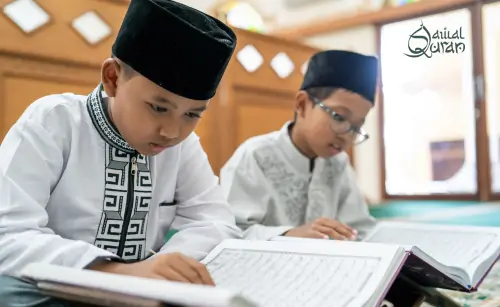
Many Muslims pray their Fard Salah regularly, yet still feel that something is missing in their spiritual routine. The peace, focus, and closeness to Allah they seek often lies in the Sunnah and Nafl prayers—those powerful prayers that Prophet Muhammad ﷺ never neglected and lovingly encouraged his Ummah to perform. Without realizing it, countless Muslims miss these prayers every day, even though they complete Salah, strengthen Iman, and make daily Namaz far more meaningful.
These prayers are not just “extra.” They repair shortcomings in Farz Salah, increase reward, and deepen the connection with Allah. If you have ever wondered what are the Sunnah prayers in Islam, how to pray Sunnah Salah, or whether Tahajjud is Sunnah or Nafl, this complete guide is written for you.
What Is Sunnah Prayer in Islam?
Sunnah prayer refers to the prayers that Prophet Muhammad ﷺ consistently performed alongside the obligatory (Fard) prayers. These prayers are highly recommended and carry immense reward.
There are two main types of Sunnah prayers in Islam:
- Sunnah Mu’akkadah
- Sunnah Ghair Mu’akkadah
What is Sunnah Mu’akkadah?
in simple words you say "strongly emphasized Sunnah that the Prophet ﷺ rarely missed"
What is Sunnah Ghair Mu’akkadah?
in simple words you say "voluntary Sunnah prayers that the Prophet ﷺ sometimes performed"
Praying Sunnah prayers helps protect a Muslim’s Farz Salah and compensates for mistakes or lack of concentration.
What Is Nafl Prayer? (Nafil Namaz Explained)
Nafl prayers (also known as Nafil Namaz or Nafl Salat) are completely voluntary prayers offered for extra reward and closeness to Allah. While they are not obligatory, their spiritual benefits are immense.
Many people ask:
- What is Nafil Namaz?
- Is Tahajjud Sunnah or Nafl?
Nafl prayers are prayed willingly, out of love for Allah—not obligation.

Difference Between Fard, Sunnah, and Nafl Prayers
Before listing the prayers, it’s important to understand the difference:
- Fard prayers: Obligatory and mandatory
- Sunnah prayers: Strongly recommended, practiced by the Prophet ﷺ
- Nafl prayers: Optional, extra acts of worship for reward
Together, they form a complete and balanced prayer life.
13 Sunnah and Nafl Prayers Every Muslim Should Know:
1. Two Rak’ahs Before Fajr
Time: Before the Fajr prayer.
Significance: These are the most emphasized Sunnah prayers; the Prophet ﷺ said they are better than the world and everything in it.
How to Perform: Pray two short Rak’ahs with a calm and focused intention.
2. Four Rak’ahs Before Dhuhr
Time: Before the Dhuhr prayer.
Significance: The Prophet ﷺ encouraged praying these Rak’ahs, promising great protection and reward.
How to Perform: Pray in two sets of two Rak’ahs each.
3. Two Rak’ahs After Dhuhr
Time: After the Dhuhr prayer.
Significance: These are confirmed Sunnah prayers that complete the Dhuhr Salah.
How to Perform: Pray two Rak’ahs with short recitation.
4. Four Rak’ahs Before Asr (Optional Sunnah)
Time: Before the Asr prayer.
Significance: The Prophet ﷺ prayed these at times and made dua for mercy upon those who observe them.
How to Perform: Pray four Rak’ahs in two sets of two.
5. Two Rak’ahs After Maghrib
Time: After the Maghrib prayer.
Significance: These Sunnah Rak’ahs strengthen Maghrib Salah and should not be skipped.
How to Perform: Pray two short Rak’ahs immediately after Farz.
6. Two Rak’ahs After Isha
Time: After the Isha prayer.
Significance: These are part of the regular Sunnah prayers practiced by the Prophet ﷺ.
How to Perform: Pray two Rak’ahs with relaxed and focused recitation.
7. Two Rak’ahs Before Isha (Optional)
Time: Before the Isha prayer.
Significance: Some scholars recommend these as voluntary Sunnah prayers.
How to Perform: Pray two Rak’ahs before Farz Isha.
8. Tahajjud Prayer
Time: During the last third of the night.
Significance: Tahajjud is a Nafl prayer and one of the most beloved prayers to Allah.
How to Perform: Pray at least two Rak’ahs after waking from sleep, with heartfelt dua.
9. Witr Prayer
Time: After Isha and before Fajr.
Significance: Witr Salah is highly emphasized and was never abandoned by the Prophet ﷺ.
How to Perform: Pray one, three, or more odd-numbered Rak’ahs.
10. Salat-ul-Duha (Chasht Prayer)
Time: After sunrise until before Dhuhr.
Significance: A Nafl prayer that brings blessings and gratitude for the body.
How to Perform: Pray two or more Rak’ahs during mid-morning.
11. Salat-ul-Awwabin
Time: After Maghrib prayer.
Significance: This prayer carries great reward for repentance and forgiveness.
How to Perform: Pray six Rak’ahs, usually in sets of two.
12. Salat-ul-Tasbeeh
Time: Any time except prohibited prayer times.
Significance: A special Nafl prayer focused on seeking forgiveness from Allah.
How to Perform: Pray four Rak’ahs with specific Tasbeeh recited during the prayer.
13. Salat-ul-Istikhara
Time: Before making an important decision.
Significance: A Nafl prayer to seek Allah’s guidance and wisdom.
How to Perform: Pray two Rak’ahs, then recite the Istikhara dua.
How to Pray Sunnah and Nafl Prayers Correctly
Many beginners ask:
- How to pray Sunnah prayers?
- How to pray Sunnah Salah properly?
The method is similar to Farz prayer, with the intention made specifically for Sunnah or Nafl. Correct recitation, posture, and focus are essential for gaining full reward.
Why Sunnah and Nafl Prayers Matter in Daily Namaz
- They complete deficiencies in Farz Salah
- They increase spiritual discipline
- They strengthen connection with Allah
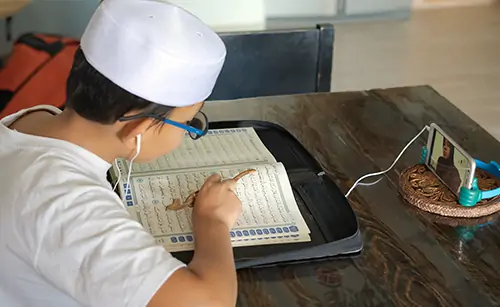
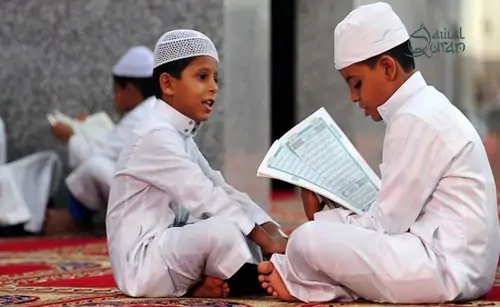
- They prepare children and beginners for consistent prayer
This is why structured learning is especially important for new learners and kids.
Conclusion: Strengthen Your Daily Namaz with Sunnah and Nafl Prayers
Sunnah and Nafl prayers are not meant to burden a Muslim’s routine; they are a mercy from Allah that fills the gaps in our Farz Salah and brings calm to the heart. Even a few extra Rakats each day can transform Namaz from a routine obligation into a source of peace, discipline, and spiritual growth.
By learning the 13 Sunnah and Nafl prayers, understanding their timings, and practicing them consistently, Muslims—whether adults, beginners, or children—can build a stronger connection with Allah. Start small, stay sincere, and remember that Allah values consistency over quantity. The journey of strengthening Namaz begins with intention, and every Sunnah prayed brings you closer to Him.
Frequently Asked Questions (FAQs)
What is the difference between Sunnah and Nafl prayers?
Sunnah prayers are those regularly practiced by Prophet Muhammad ﷺ and strongly recommended, while Nafl prayers are voluntary acts of worship performed for extra reward and closeness to Allah.
Are Sunnah prayers mandatory like Farz Salah?
No, Sunnah prayers are not obligatory like Farz, but missing them regularly can lead to loss of great reward and spiritual protection.
Is Tahajjud prayer Sunnah or Nafl?
Tahajjud is a Nafl prayer for the Ummah, but it was obligatory for the Prophet ﷺ and is highly encouraged for spiritual strength.
Can Sunnah and Nafl prayers be prayed at home?
Yes, Sunnah and Nafl prayers can be prayed at home, and in many cases, praying them at home brings greater reward and sincerity.
How many Sunnah Rakats should be prayed daily?
There are 12 emphasized Sunnah Rakats daily (before and after Fajr, Dhuhr, Maghrib, and Isha), along with additional optional Sunnah and Nafl prayers.
Can children and beginners learn Sunnah and Nafl prayers easily?
Yes, with step-by-step guidance and consistent practice, children and beginners can easily learn Sunnah and Nafl prayers and build a strong foundation in daily Namaz.