Islam is a complete way of life that guides Muslims in their beliefs, worship, character, and daily actions. It is built on faith in One God (Allah) and following the teachings of the Prophet Muhammad ﷺ. To help Muslims practice Islam correctly, Allah established a clear framework known as the Five Pillars of Islam. These pillars form the foundation of a Muslim’s faith and actions, shaping both personal spirituality and social responsibility.
For beginners, understanding the Five Pillars of Islam is essential because they explain what Muslims believe, how they worship, and how they live their lives. This guide will explain each pillar in simple words, making it easy for kids, adults, and new learners to understand.
What Is Islam?
Islam is a monotheistic religion that teaches belief in One God (Allah) and following the guidance sent through His final Prophet, Muhammad ﷺ. Islam is based on faith, worship, good character, and obedience to Allah’s commands. The word Islam means submission, which refers to submitting one’s will to Allah with sincerity and obedience.
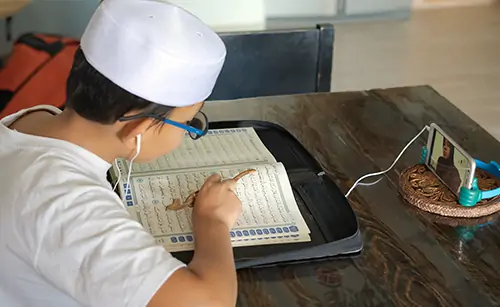
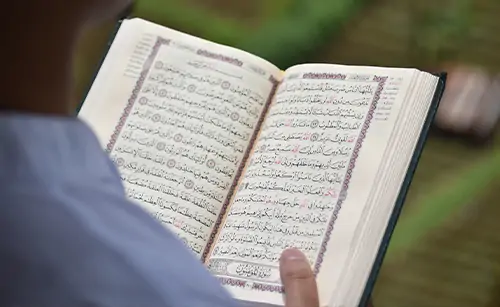
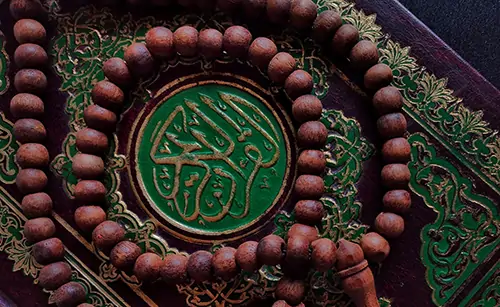
Muslims follow the Quran as their holy book and practice Islam through core acts of worship known as the Five Pillars of Islam, which form the foundation of a Muslim’s life.
What Are the Five Pillars of Islam?
The Five Pillars of Islam are the five core acts of worship that every Muslim is expected to follow. They represent faith, prayer, charity, fasting, and pilgrimage. Together, they strengthen a Muslim’s relationship with Allah and promote discipline, compassion, and unity within the Muslim community.
The Five Pillars are:
- Shahadah (Faith)
- Salah (Prayer)
- Zakat (Charity)
- Sawm (Fasting in Ramadan)
- Hajj (Pilgrimage)
1. Shahadah (Faith)
Shahadah is the declaration of faith and the first pillar of Islam. It is the belief that:
“There is no god but Allah, and Muhammad ﷺ is the Messenger of Allah.”
By sincerely believing and reciting the Shahadah, a person enters Islam. This pillar establishes the foundation of Islamic belief, affirming monotheism (Tawheed) and acceptance of Prophet Muhammad ﷺ as the final messenger. Every act of worship in Islam begins with this firm belief in the heart.
2. Salah (Prayer)
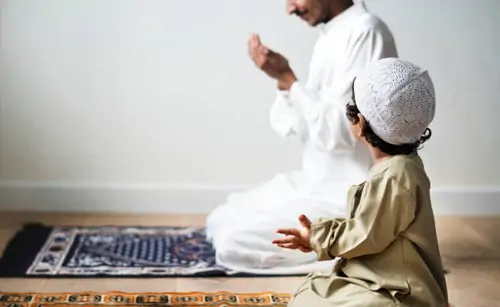
Salah is the second pillar of Islam and refers to the five daily prayers performed at specific times throughout the day. These prayers are Fajr, Dhuhr, Asr, Maghrib, and Isha. Salah connects a Muslim directly with Allah, providing spiritual discipline, peace, and mindfulness.

Praying regularly helps Muslims stay away from wrong actions and reminds them of their purpose in life. Learning the correct method of prayer is very important, especially for beginners and children. That is why structured guidance through a Namaz Course or Learn Namaz Online program can be extremely helpful in mastering prayer step by step.
3. Zakat (Charity)
Zakat is the obligatory charity that Muslims give from their wealth to help those in need. It is usually 2.5% of savings that meet a specific threshold (Nisab). Zakat purifies wealth and teaches generosity, social responsibility, and care for the poor.
Islam emphasizes that wealth is a trust from Allah, and sharing it strengthens the entire community. To understand who must give Zakat, how much to give, and who can receive it, you can explore our detailed guide on Zakat and Charity in Islam.
4. Sawm (Fasting in Ramadan)
Sawm refers to fasting during the month of Ramadan. From dawn (Fajr) until sunset (Maghrib), Muslims abstain from food, drink, and sinful behavior. Fasting is an act of worship that builds self-control, patience, and empathy for those who are less fortunate.
Ramadan is also a time for increased prayer, Quran recitation, and charity. Fasting is obligatory for healthy adult Muslims, with exceptions for the sick, travelers, pregnant, or elderly individuals. To learn more about the rules, benefits, and spiritual importance, read our complete blog on Fasting in Ramadan.
5. Hajj (Pilgrimage)
Hajj is the pilgrimage to Makkah that every financially and physically able Muslim must perform at least once in their lifetime. It takes place during specific days of the Islamic month of Dhul Hijjah.
Hajj represents unity, equality, and submission to Allah, as millions of Muslims from around the world gather wearing simple clothing and performing the same rituals. This pillar teaches humility, patience, and devotion. You can learn more details in our comprehensive guide on Hajj in Islam.

Importance of the Five Pillars in a Muslim’s Life
The Five Pillars of Islam provide balance between belief and action. They strengthen faith, improve character, and guide Muslims in both personal and social life. Through prayer, charity, fasting, and pilgrimage, Muslims develop discipline, gratitude, empathy, and closeness to Allah.
These pillars also promote unity, as Muslims around the world follow the same acts of worship regardless of culture or language.
Conclusion
The Five Pillars of Islam form the foundation of a Muslim’s faith and daily life. Understanding and practicing them correctly brings spiritual growth, discipline, and closeness to Allah.
If you or your children want to learn Islam properly, including Quran recitation, Tajweed, and Salah, join our structured Online Quran and Namaz Courses at Awwal Quran. Start your journey today with expert guidance and flexible online classes.
Frequently Asked Questions (FAQs)
Are the Five Pillars of Islam mandatory?
Yes, they are obligatory for every adult Muslim who is mentally and physically able.
Can children learn the Five Pillars of Islam?
Yes, teaching children the Five Pillars helps build strong Islamic foundations from an early age.
Why is Salah important in Islam?
Salah is the daily connection between a Muslim and Allah and is the first act questioned on the Day of Judgment.
Is Zakat the same as charity?
Zakat is obligatory, while voluntary charity (Sadaqah) can be given at any time.
What is Islam in simple words?
Islam is the religion of believing in One God (Allah) and living according to His guidance through the Quran and the teachings of Prophet Muhammad ﷺ.
How can beginners start practicing Islam?
Beginners can start by learning the basics of faith, offering daily Salah, reading the Quran, and seeking guidance through structured Islamic and Quran learning courses.