Imagine a moment in the day where everything finally becomes silent—no noise, no rush, no stress. A moment where a believer stands, bows, and places their forehead on the ground, feeling completely seen and heard by their Creator. This moment is Salah, the heart of a Muslim’s spiritual life. For many, it becomes the anchor that keeps their day balanced and their soul grounded. To understand what Salah is and why Muslims pray, one must explore its meaning, its history, and the deep wisdom behind it.
What Is Salah?
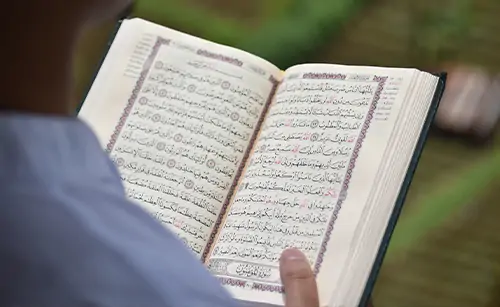
Salah is the formal Islamic prayer performed five times a day. It is not just a routine; it is a structured form of worship that includes standing, bowing, and prostrating, all while reciting verses from the Qur’an. In Islamic teachings, Salah is often described as the believer’s direct connection with Allah. It is not a symbolic gesture—it is a lived expression of faith.
Many people wonder “What does Salah mean?” Linguistically, the word “Salah” refers to prayer, connection, and supplication. Spiritually, it represents a Muslim’s ongoing conversation with Allah throughout every stage of the day. This is why it is also called Muslim Salat and is considered the most important form of pray Islam.
The Story Behind Salah
One of the most beautiful parts of Islamic tradition is the story behind Salah. The command for Salah was given during the miraculous event of Al-Isra wal-Mi’raj, the Night Journey, when Prophet Muhammad (PBUH) was taken from Makkah to Jerusalem and then ascended to the heavens. During this journey, Allah made Salah obligatory for Muslims.

This divine instruction shows the value of prayer in Islam. It is the only command that came directly from Allah to the Prophet during the heavens’ ascent rather than through revelation on earth. Because of this, many scholars say Salah is the spiritual ladder that helps believers rise closer to Allah every single day.
Why Do Muslims Pray Salah?
There are many reasons why Muslims pray, each deeply spiritual and meaningful. One of the key questions readers often ask is: “Why do we pray Salah?”
From an Islamic perspective:
- It purifies the heart. Salah washes away minor sins and brings spiritual clarity.
- It provides discipline. By spreading prayers throughout the day, Muslims maintain structure and stability.
- It builds a connection. Salah is the believer’s way of showing gratitude, reflecting on life, and seeking guidance.
- It brings peace. Many Muslims find emotional and mental comfort during prostration, where worries feel lighter and hope feels stronger.
In daily life, Salah becomes an anchor that pulls a believer back to sincerity and mindfulness no matter how busy the world gets.
How Do Muslims Pray Salah?
When someone wonders “salat how to pray” or “how to pray in Islam,” they are essentially asking about the steps of the prayer.
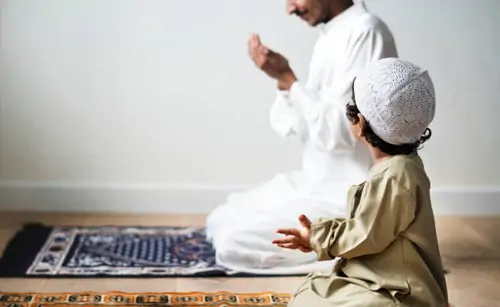
Salah is performed through specific movements—standing, reciting, bowing, and prostrating—combined with Qur’anic verses and duas. While there are differences between men and women in minor details, the structure remains the same.
New learners often search for terms like “how to offer namaz,” “how to recite namaz,” “how to namaz,” or “how to read namaz.” These are simply different ways to ask how Salah is performed. For anyone unfamiliar with Arabic, these practical questions are completely normal.
Modern platforms now even teach people how do you pray Namaz step-by-step, making it easier for beginners and new Muslims worldwide.
How Many Rakats Are in Salah?
A very common question is about rakats in salat. Each Salah is made up of units called rak‘ats, and every rakat includes standing, reciting, bowing, and prostrating.
Many people specifically ask:
How many rakat in Salat al-Fajr?
Fajr, the morning prayer, consists of 2 sunnah rak‘ats, 2 fard rak‘ats, making it the shortest but one of the most spiritually impactful prayers of the day.
How Many Rakat in Salat al-Zuhr?
Salat al-Zuhr consists of 12 rak‘ats in total according to the Sunnah practice. These are performed in the following order:
- 4 Sunnah
- 4 Fard
- 2 Sunnah
- 2 Nafl
Different prayers have different numbers of rak‘ats, which is why learners sometimes search for terms like Islam prayers rakats to understand the structure better.
Why Prayer Is Essential in a Muslim’s Life
Beyond the rules and structure, Salah plays a deeply emotional and spiritual role. It becomes a reminder that no matter how stressful life becomes, a believer can always pause and find peace in prayer.
For someone exploring Islam or learning Salah for the first time, questions like “salah the Muslim prayer” or “how to pray Muslim” reflect genuine curiosity. This shows how universal the desire for spiritual guidance truly is.
Even those who are born Muslim sometimes restart their prayer journey later in life. For them, learning how to make Salaah again becomes a turning point in reconnecting with their faith.
Learning Salah in the Modern World
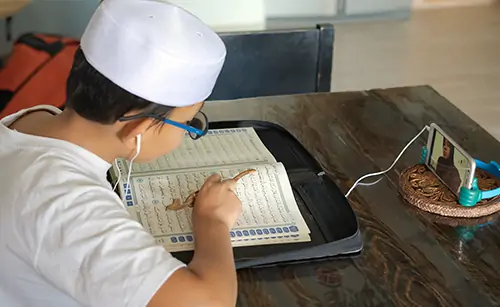
Today, technology has made Islamic education accessible to everyone. Many people are turning to platforms where they can learn Namaz online in a simple, interactive way. Online tutors guide learners step-by-step—from basic movements to full understanding of what each part of Salah means.
This makes Salah more meaningful, especially for children, new Muslims, or anyone who never had the chance to learn properly before.
Even the term namaaz, commonly used in South Asian countries, reflects the same prayer Muslims perform around the world. Whether someone says Salah, Salat, or Namaz, the purpose and meaning remain the same.
What Is Prayer and Why Do We Pray?
At its core, prayer in Islam is an act of love, gratitude, and surrender. Muslims don’t pray because Allah needs it—He is already perfect. Muslims pray because they need it.
Prayer softens the heart, changes perspective, heals emotional wounds, and strengthens trust in Allah. It reminds a believer that every joy, hardship, fear, or moment of hope should be shared with the One who created them.
This is why prayer remains the most central spiritual practice in Islam.
Conclusion
Salah is more than a ritual—it is a spiritual lifeline. It began as a gift during the Night Journey and continues to guide Muslims every single day. Understanding what Salah is and why Muslims pray opens the heart to its beauty and purpose.
Whether someone is learning the basics of how to do Namaz, exploring salat Islam, or simply trying to reconnect with faith, Salah offers a powerful reminder: every human being needs moments of peace, gratitude, and closeness to their Creator. And Salah provides exactly that—a doorway to tranquillity, guidance, and unshakeable spiritual strength.
If a believer holds onto Salah, Salah will hold onto them.
Frequently Asked Questions (FAQs)
What is the meaning of Salah in Islam?
Salah in Islam refers to the formal prayer performed five times a day. It represents a Muslim’s direct connection with Allah and includes specific actions like standing, bowing, and prostrating along with Qur’anic recitation.
Why do Muslims pray Salah every day?
Muslims pray Salah daily because it brings spiritual peace, discipline, and constant remembrance of Allah. It helps purify the heart, strengthens faith, and provides emotional comfort throughout the day.
How many times do Muslims pray, and what are the rak‘ats?
Muslims pray five times a day, and each prayer has a set number of rak‘ats. For example, Fajr has two rak‘ats, while other prayers have more. These units guide the standing, bowing, and prostrating during prayer.
How can someone learn to pray Namaz properly?
A person can learn to pray Namaz by following step-by-step guides, watching reliable Islamic lessons, or taking online classes. Many platforms now offer detailed instruction for beginners, new Muslims, and anyone relearning prayer.
What is the story behind the obligation of Salah?
Salah became obligatory during the Night Journey (Al-Isra wal-Mi’raj), when the Prophet Muhammad (PBUH) ascended to the heavens. Allah directly commanded the five daily prayers during this event, showing the importance of Salah in Islam.
Is there a difference between Salah and Namaz?
Both words refer to the same Islamic prayer. “Salah” is the Arabic term used in the Qur’an, while “Namaz” is commonly used in South Asian cultures. Despite the difference in language, the prayer itself remains the same.