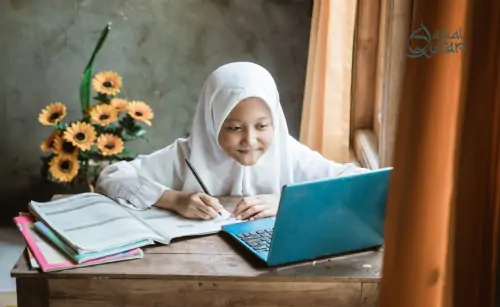
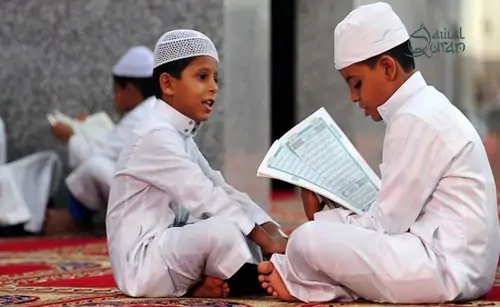
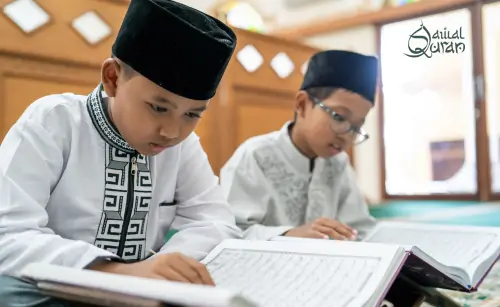
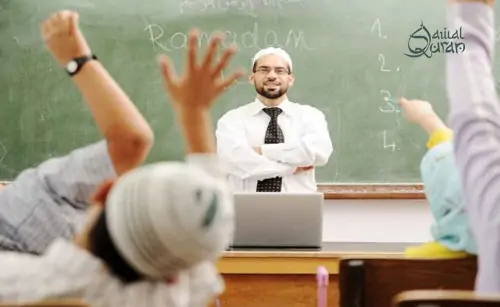
Ramadan stands as one of the most spiritually significant periods in the Islamic calendar, drawing Muslims from around the world into a month of deep reflection, devotion, and community. As Ramadan 2026 approaches, millions of believers are preparing to observe this blessed month with renewed dedication and faith.
Understanding Ramadan: The Holy Month
Ramadan (ramadan the month of quran)is the ninth month of the Islamic calendar, recognized as the holy month during which the Quran was first revealed to Prophet Muhammad. This sacred time holds immense importance for Muslims worldwide, who dedicate these days to fasting, prayer, and spiritual growth.
Who celebrates Ramadan? Muslims across the globe observe this month, regardless of their geographical location or cultural background. From the Middle East to Southeast Asia, from the United States to Europe, Muslim communities unite in this practice of worship and self-discipline.
Ramadan 2026: Important Dates and Timeline
Ramadan 2026 Start and End
The start of Ramadan depends on the moon sighting, following the Islamic lunar calendar. Ramadan 2026 in USA and other countries will begin with the sighting of the new moon, which typically occurs in late January or early February.
How many days till Ramadan 2026? As the Islamic calendar follows lunar cycles, the exact date shifts each year on the Gregorian calendar. Muslims around the world eagerly count down, asking "how many days until Ramadan 2026" as they prepare spiritually and physically for this blessed month.
When is Ramadan 2026 in UK
Ramadan 2026 UK observers, like their counterparts in the Ramadan 2026 USA, will follow the crescent moon sighting to determine the precise start date. The Ramadan moon sighting Saudi Arabia often serves as a reference point for many Muslim communities worldwide, though local moon sightings remain the primary method for determining the month's beginning.
Why is Ramadan So Early in 2026?
Many people wonder, "Why is Ramadan so early in 2026?" The answer lies in the nature of the Islamic lunar calendar. The Islamic calendar is approximately 11 days shorter than the Gregorian calendar used in most Western countries. This means Ramadan shifts earlier each year by about 10-11 days, causing it to cycle through all seasons over time.
Is Ramadan Two Times in 2026?
A common question arises: "Is Ramadan two times in 2026?" Due to the lunar calendar's shorter year, it's theoretically possible for Ramadan to occur twice in a single Gregorian calendar year, though this is rare. In 2026, Ramadan will occur once, beginning in late January or early February.
The Essence of Fasting During Ramadan
The Practice of Fasting
Fasting during Ramadan represents one of the five pillars of Islam. Adult Muslims abstain from food, drink, and other physical needs from dawn until sunset each day throughout the month. This practice of self-discipline extends beyond merely avoiding food—it encompasses controlling one's thoughts, words, and actions.
The daily fast begins before dawn with a pre-dawn meal called suhoor, providing nourishment for the hours ahead. Muslims then break their fast at sunset with iftar, often starting with dates and water, following the tradition of Prophet Muhammad.
Daily Routine During Ramadan
The daily routine transforms significantly during this month. Muslims wake before dawn for the morning prayer and suhoor, then maintain their fast throughout the day while continuing their regular activities. The time between dawn and sunset becomes an opportunity for increased worship, reflection on the Quran, and good deeds.
As sunset approaches, families and communities gather for iftar, creating communal meals that strengthen bonds and foster charity. Many Muslims attend special nightly prayers called Taraweeh, where portions of the Quran are recited throughout the month.
Spiritual Significance and Worship
The Night of Power: Laylat al-Qadr
Among the thirty days of Ramadan, one night holds exceptional significance—Laylat al-Qadr, known as the Night of Power. This blessed night, occurring during the last ten days of Ramadan, is described in the Quran as better than a thousand months. Muslims intensify their worship during this period, seeking the immense blessings Allah offers.
Prayer and Quranic Revelation
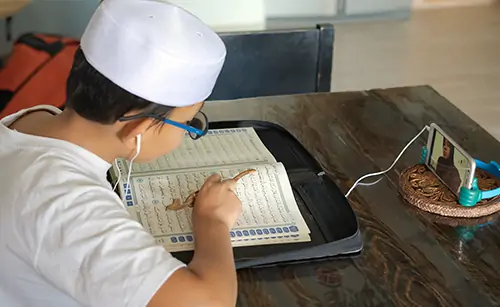
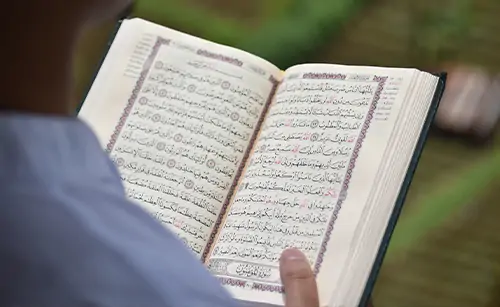
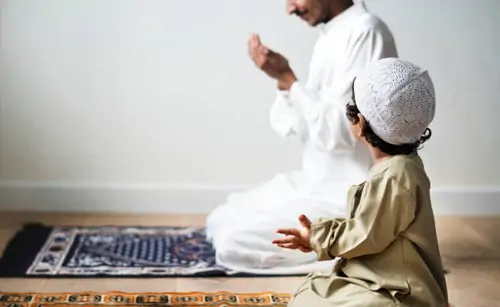
The month of Ramadan (ramadan the month of quran) commemorates the Quranic revelation, making it a time when many Muslims aim to complete reading the entire Quran. Daily prayers take on added importance, and many believers spend extra hours in worship, seeking closeness to Allah through devotion and contemplation.
Ramadan Across Different Countries
Cultural Practices and Traditions
While the core practice of fasting remains consistent, Ramadan celebrations vary across different countries and cultures. In the Middle East, the streets come alive after sunset with vibrant markets and social gatherings. Southeast Asia showcases unique culinary traditions for iftar meals, while Muslim communities in Western nations like the United States often adapt their celebrations while maintaining religious authenticity.
Halal Times and Daily Updates
With Muslims spread across various time zones, halal times for beginning and breaking the fast differ by location. Many communities rely on daily updates from Islamic centers and mosques to know the precise times for dawn and sunset prayers, ensuring their fast aligns with Islamic guidelines.
Charity and Community
Ramadan emphasizes charity and caring for those in need. Muslims are encouraged to increase their charitable giving, with many people providing food for communal meals and supporting those who cannot afford proper iftar meals. This practice strengthens community bonds and embodies the spirit of compassion central to Islam.
Ramadan Mubarak: Spreading Blessings
Define Ramadan Mubarak: This Arabic phrase means "Blessed Ramadan" and serves as a common greeting during the month. People exchange this greeting to wish each other well and acknowledge the sacred nature of this time. Another popular greeting, "Ramadan Kareem," means "Generous Ramadan," reflecting the month's spirit of giving and blessings.
Health Considerations
Fasting and Physical Well-being
While fasting during Ramadan is a spiritual practice, it's important to consider health aspects. People with conditions like heart disease or other medical concerns should consult healthcare providers about their ability to fast safely. Islam provides exemptions for those for whom fasting poses health risks, including the elderly, pregnant women, and those with chronic illnesses.
Cardiovascular Risk and Adaptation
Research on fasting and cardiovascular risk shows that healthy individuals typically adapt well to the daily fast. The body adjusts to the eating pattern, though staying hydrated during non-fasting hours remains crucial for maintaining good health throughout the month.
Muslim Holidays 2026 and Ramadan 2026 Eid
Eid al-Fitr: Celebrating the End of Ramadan
Ramadan 2026 Eid, also known as Eid al-Fitr, marks the end of Ramadan and represents one of the major Muslim holidays 2026. This joyous celebration occurs after the completion of thirty days of fasting, when Muslims gather for special prayers, exchange gifts, and share festive meals with family and friends.
The end of Ramadan brings a sense of accomplishment and spiritual renewal. Breaking the fast on Eid morning symbolizes both the completion of a challenging month and the beginning of applying lessons learned throughout Ramadan to everyday life.
Historical Context
Islamic History and Ramadan
Ramadan's significance in Islamic history extends back to the time of Prophet Muhammad. The practice of fasting during this month became obligatory during the second year after the Hijra, the Prophet's migration from Mecca to Medina. Since then, generations of Muslims have maintained this tradition, connecting modern believers to their faith's rich history.
The Umm al-Qura Calendar
Saudi Arabia's Umm al-Qura Calendar serves as an official reference for the Islamic year in many contexts, though actual moon sightings remain the traditional method for determining the start of each Islamic month, including Ramadan.
Common Questions About Ramadan
Breaking the Fast
Breaking the fast properly involves more than just eating after sunset. The practice typically begins with dates and water, following the Prophet's tradition, then progresses to a more substantial meal. This gradual approach helps the body adjust after hours without food.
Exemptions and Making Up Missed Days
Islam recognizes that certain individuals cannot fast, including travelers, menstruating women, and those with health conditions. These people can make up missed days later or provide meals to those in need as compensation, ensuring everyone can participate in Ramadan's blessings according to their circumstances.
Ramadan in Modern Times
Social Media and Connection
In today's digital age, social media plays a significant role in how people experience Ramadan. Muslims share inspirational messages, daily updates about their spiritual journey, and connect with others observing the month worldwide. The Islamic Info Center and similar organizations provide resources and information to help people understand and practice their faith.
Adapting to Different Environments
Muslims living in countries where Islam isn't the majority religion face unique challenges during Ramadan. Whether in the United States, Europe, or elsewhere, these communities create supportive networks, organizing communal meals and prayers to maintain the month's communal spirit despite being minorities in their locations.
The Wisdom of Fasting (Sawm)
Siyam: More Than Abstinence
Siyam, the Arabic term for fasting, encompasses more than just avoiding food and drink. True fasting during Ramadan includes restraining oneself from negative behaviors, harsh words, and impure thoughts. This comprehensive approach to self-discipline aims to purify both body and soul.

Self-Discipline and Personal Growth
The month challenges each person to develop stronger self-discipline and mindfulness. By controlling physical desires, Muslims strengthen their willpower and develop a deeper appreciation for Allah's blessings. This spiritual growth extends beyond Ramadan, influencing behavior throughout the year.
Food and Nutrition
The Pre-Dawn Meal
Suhoor, the meal consumed before dawn, provides essential nourishment for the day ahead. Families wake early to eat together, choosing foods that provide sustained energy throughout fasting hours. This shared meal creates a special bonding time before the day's fast begins.
Iftar Traditions
Iftar meals vary widely across different countries, reflecting local culinary traditions while adhering to halal dietary requirements. From Middle Eastern mezze spreads to Southeast Asian rice dishes, these meals celebrate cultural diversity within the global Muslim community.

Ramadan's Impact on Daily Life
Adjusting Work and School
Many Muslims adjust their daily schedules during Ramadan, balancing work or school commitments with increased worship and altered meal times. Employers and schools in many countries accommodate these needs, recognizing Ramadan's importance to Muslim employees and students.
Night Prayers and Reflection
The night takes on special significance during Ramadan. After iftar, many Muslims attend Taraweeh prayers at their local mosque, where portions of the Quran are recited each night. These prayers provide an opportunity for communal worship and spiritual reflection.
The Global Muslim Community
Unity in Diversity
Despite differences in culture, language, and geographic location, Muslims worldwide share the experience of Ramadan. This unity creates a powerful sense of global community, as believers from Southeast Asia to the Middle East, from Africa to the Americas, simultaneously engage in the same acts of worship.
Learning and Teaching
Ramadan serves as a time for learning about Islam and deepening one's understanding of the faith. Many mosques offer educational programs, and families use this month to teach younger generations about Islamic values, the importance of the Quran, and the beauty of their religious traditions.
Conclusion
Ramadan (ramadan the month of quran) remains a cornerstone of Islamic faith and practice, offering Muslims a month dedicated to spiritual renewal, community building, and drawing closer to Allah. As Ramadan 2026 approaches, Muslims around the world prepare to embrace this blessed month with devotion and enthusiasm.
Whether observed in Ramadan 2026 USA, the UK, or any other country, the core principles remain the same: fasting from dawn to sunset, increasing prayer and Quran recitation, practicing charity, and strengthening community bonds. The month serves as a reminder of faith's importance, the value of self-discipline, and the blessings that come from dedicating time to worship and reflection.
For those counting down and asking "how many days till Ramadan 2026," the anticipation itself becomes part of the spiritual preparation. This sacred month offers an opportunity for renewal, forgiveness, and spiritual growth that extends far beyond the thirty days, influencing lives throughout the entire Islamic year.
Ramadan Mubarak to all who will observe this blessed month—may it bring spiritual growth, community connection, and closeness to Allah.
Frequently Asked Questions
Why is Ramadan So Early in 2026?
Ramadan appears early in 2026 because the Islamic lunar calendar is shorter than the Gregorian calendar by approximately 11 days. This causes Ramadan to shift earlier each year, eventually cycling through all seasons.
What Date is Ramadan 2026?
Ramadan 2026 is expected to begin in late January or early February 2026, though the exact date depends on the crescent moon sighting. The Islamic calendar follows lunar cycles, making precise prediction challenging until the new moon is actually observed.
When Ramadan 2026 Start and End
The month typically lasts thirty days, concluding with the celebration of Eid al-Fitr. The exact Ramadan 2026 start and end dates will be confirmed through moon sighting, with communities relying on both local observations and reports from Saudi Arabia and other Islamic centers.
Why was the Quran revealed in Ramadan?
The Quran was revealed in Ramadan because it is a month of spiritual purification, and Allah chose it as the time to send guidance for all of humanity (Quran 2:185).
What is the relationship between fasting and the Quran?
Fasting purifies the soul and controls desires, while the Quran guides the heart, making both acts of worship deeply connected in Ramadan.
Why is Quran recitation especially important in Ramadan?
Ramadan is the month of the Quran, and reciting it during this time brings greater reward and strengthens faith and reflection.
How can Muslims connect more deeply with the Quran in Ramadan?
By reciting the Quran daily, understanding its meaning, improving Tajweed, and reflecting on its message during Ramadan.
Is it necessary to complete the Quran during Ramadan?
Completing the Quran in Ramadan is recommended but not obligatory; sincerity and understanding are more important than quantity.