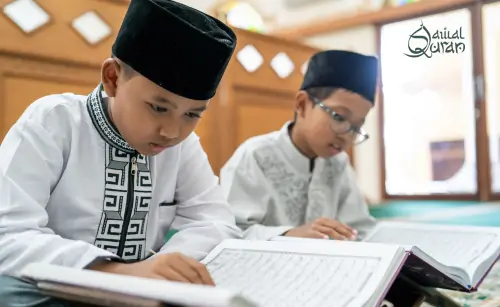
What is Namaz?
Namaz (Salah) is one of the five pillars of Islam and a way for Muslims to connect with Allah. It is an obligation for every Muslim and must be performed five times a day. Isha namaz rakat is the final prayer of the day and carries great spiritual rewards.
How Many Rakats in Isha Namaz?
The Isha namaz rakat consists of a total of 17 rakats, divided into different types of prayers — some compulsory (Fard) and others Sunnah or Nafl for additional rewards.
Here’s a clear breakdown of each part:
- 4 Rakats Sunnah (Muakkadah) – These are recommended Sunnah rakats that the Prophet Muhammad ﷺ regularly performed before the obligatory prayer.
- 4 Rakats Fard (Obligatory) – These four are compulsory and must be prayed by every Muslim. Missing these intentionally is sinful.
- 2 Rakats Sunnah (Muakkadah) – After completing the Fard, two Sunnah rakats are offered. They bring great spiritual reward and were also practiced by the Prophet ﷺ.
- 2 Rakats Nafl (Optional) – These are voluntary and performed for extra reward. Though not required, they increase closeness to Allah.
- 3 Rakats Witr (Wajib) – The Witr prayer is necessary (Wajib) and should not be missed. It is performed after the regular Isha prayer and holds high importance.
- 2 Rakats Nafl (Optional) – These final two are also optional and can be offered after Witr for additional blessings.
The 4 Fard rakats of Isha are mandatory, while the 3 Witr rakats are necessary (Wajib). All other rakats—Sunnah and Nafl—are optional but highly rewarding.
How to Pray Isha Namaz :
Step-by-Step Guide to how to perform 4 Rakat Fard Salah?
The 4 Fard Rakats of Isha must be prayed exactly as the Prophet Muhammad (PBUH) performed them. Below is the step-by-step guide and how to perform 4 rakat :
Step 1: Make Niyyah (Intention)
Before starting, make the intention in your heart:
"I intend to pray four Fard Rakats of Isha for the sake of Allah."
For other Niyyahs, check this link: Niyyah for Salah.
Step 2: Takbir (Start the Prayer)
- Raise your hands and say "Allah hu Akbar."
Step 3: Recite Surah Al-Fatiha and a Surah
- In the first two Rakats, recite:
- Surah Al-Fatiha
- Any short Surah (e.g., Surah Ikhlas, Surah Nass, Surah Falak).
- In the third and fourth Rakats, only recite Surah Al-Fatiha (no additional Surah in 4 farz).
To see all these details in a picture format, visit our blog: Namaz Guide Step by Step.

Step 4: Perform Ruku (Bowing)
- Say "Allahu Akbar" and bow.
- Recite "Subhana Rabbiyal Azeem" three times.
Next Step 5: Qiyam (Standing Back Up)
- Stand and say: "Sami'Allahu liman hamidah, Rabbana lakal hamd."
Step 6: Perform Sujood (Prostration)
- Say "Allahu Akbar" and go into Sujood.
- Recite "Subhana Rabbiyal A'la" three times.
- Sit briefly, then perform the second Sujood.
Step 7: Complete the Rakats
- Repeat the same steps for the next two Rakats.
- After the fourth Rakat, sit for Tashahood and recite:
"At-tahiyyatu Lillahi wa-salawatu wa’t-tayyibat, as-salamu ‘alayka ayyuha’n-Nabiyyu wa rahmat-Allahi wa barakatuhu. As-salamu ‘alayna wa ‘alaa ‘ibad-Illah is-saliheen. ashhadu alla ilaha illallah wa ashhadu anna muhammadan ‘abduhu wa rasuluhu"
التَّحِيَّاتُ لِلَّهِ وَالصَّلَوَاتُ وَالطَّيِّبَاتُ، السَّلاَمُ عَلَيْكَ أَيُّهَا النَّبِيُّ وَرَحْمَةُ اللَّهِ وَبَرَكَاتُهُ، السَّلاَمُ عَلَيْنَا وَعَلَى عِبَادِ اللَّهِ الصَّالِحِينَ، أَشْهَدُ أَنْ لاَ إِلَهَ إِلاَّ اللَّهُ وَأَشْهَدُ أَنَّ مُحَمَّدًا عَبْدُهُ وَرَسُولُهُ - Recite Durood Ibrahim and any dua.
- End with Salam:
"As-Salamu Alaikum wa Rahmatullah" (turn right and left).
To see all these details in a picture format, visit our blog: Namaz Guide Step by Step.
Significance of the 9-Rakat Isha Prayer
Performing the 9 rakats of Isha prayer that includes 4 Fard, 2 Sunnah, and 3 Witr ensures that one not only fulfills the obligatory duty but also engages in recommended acts of worship. This comprehensive approach to Isha namaz allows Muslims to end their day with devotion and seek Allah’s forgiveness and blessings. The Prophet Muhammad (peace be upon him) emphasized the importance of the Sunnah rakats, including those after Isha, as part of the 12 Sunnah rakats that are highly rewarded. Witr prayer, with its odd-numbered rakats and the inclusion of Dua-e-Qunoot, serves as a powerful conclusion to the day’s worship.
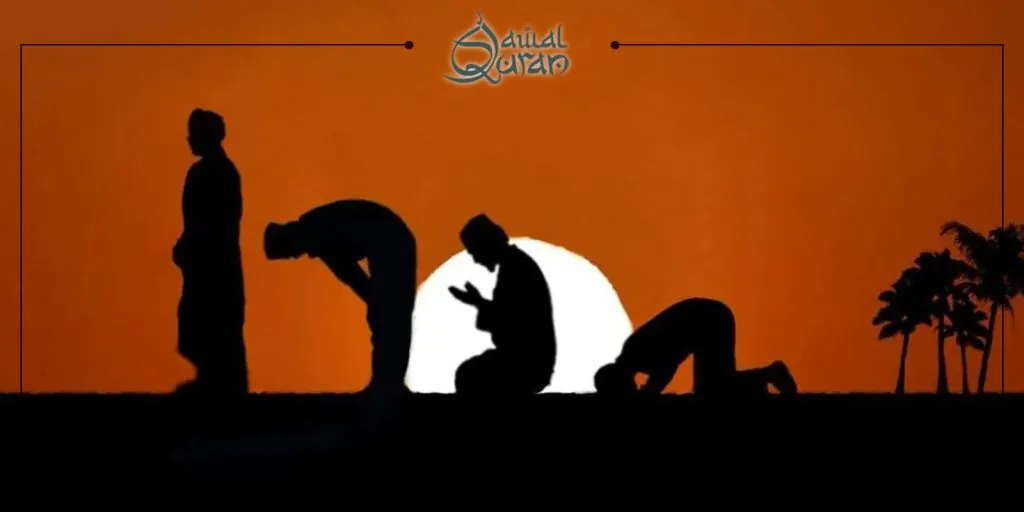
How to pray 3 Witr in Isha namaz with proper rakats Correctly?
Step 1: Make Niyyah (Intention)
Before starting, make the intention in your heart:
"I intend to pray three Witr Rakats of Isha for the sake of Allah."
Step 2: Pray as Usual for the First Two Rakats
- Step 1: Takbir (Start the Prayer)
- Raise your hands and say "Allahu Akbar."
- Step 2: Recite Surah Al-Fatiha and Surah
- In the First Rakats, recite:
- Surah Al-Fatiha
- Any short Surah (e.g., Surah Ikhlas, Surah Nass, Surah Falak).
- Same ruku and sujood
- In the Second Rakats, recite:
- Surah Al-Fatiha
- Any short Surah (e.g., Surah Ikhlas, Surah Nass, Surah Falak).
- Same ruku and sujood
- Also, add the Tashahhud in second rakat only
- In the First Rakats, recite:
Step 3: Special Addition in the Third Rakat – Dua e Qunoot
- Surah Al-Fatiha
- Any short Surah (e.g., Surah Ikhlas, Surah Nass, Surah Falak).
- then raise your hands to your ears and recite Dua e Qunoot:
اللّهمّ إنا نستعينك ونستغفرك ونؤمن بك ونتوكل عليك ونثني عليك الخيره، ونشكرك ولا نكفرك، ونخلع ونترك من يفجرك. اللّهمّ إيّاك نعبد ولك نصلّي ونسجد، وإليك نسعى ونحفد، ونرجو رحمتك ونخشى عذابك، إنّ عذابك بالكفّٰری ملحق.
"Allah humma inna nasta-eenoka wa nastaghfiruka wa nu'minu bika wa natawakkalu alaika wa nusni alaikal khair, wa nashkuruka wala nakfuruka wa nakhla-oo wa natruku mai yafjuruka, Allah humma iyyaka na'budu wa laka nusalli wa nasjud; wa ilaika nas aaa wa nahfizu wa narju rahma taka wa nakhshaa azaabaka; inna azaabaka bil kuffari mulhik."

- If you don’t remember Dua Qunoot, you can say any Dua e Masura (what is Dua e Masura? ):
- "Rabbana atina fid-dunya hasanah wa fil akhira ti khasana waqina aza"
- After Dua e Qunoot, Same ruku and sujood
- Continue the prayer as usual and complete it with Salam.
"I have tried my best to explain everything in detail. Still, if you have any questions, please don’t hesitate to ask. You can also contact the Awwal Quran Team directly."
Importance of Dua e Qunoot in 3 Witr
Dua e Qunoot is a special supplication recited in Witr prayer. It is a powerful dua that asks for Allah’s help, forgiveness, and guidance. The Prophet Muhammad (PBUH) regularly recited this in his Witr prayer. If you don’t know it, you can learn it gradually while praying.
Is Witr Prayer Part of Isha?
Witr prayer is closely associated with Isha but is technically a separate prayer and called as “Salatul-Layl”. It is performed after Isha and before the Fajr prayer, often immediately following Isha, which leads many to consider it part of the Isha prayer. Witr consists of 3 rakats and includes a special supplication, Dua-e-Qunoot, in the final isha namaz rakat. While some scholars debate whether Witr is obligatory or highly recommended, most agree it is Wajib and an essential part of nightly worship. Here you can explore more about “How Many Rakats Are in Isha Prayer(isha namaz rakat)?”.
What is Fard Namaz, Wajib Namaz, Sunnah Namaz, and Mustahab in Salah?
Understanding the different types of prayers (Rakats) in Namaz is essential for performing Salah correctly. The classifications of Sunnah, Fard, Wajib, and Mustahab help us know which parts of the prayer are obligatory, necessary, recommended, or optional. Let's discuss each category in detail.
1. Fard Namaz (Obligatory) – فرض
Fard means compulsory or mandatory in Islam. Any act of worship that is classified as Fard must be performed. If a person deliberately misses a Fard act in Salah, their prayer is invalid (Batil), and they must repeat it.
Fard in Namaz
- Every Salah has Fard Rakats, which must be performed.
- If Fard Rakats are missed, the Salah is incomplete.
Examples of Fard Rakats in Salah:
4 Rakats Sunnah (Muakkadah) – These are recommended Sunnah rakats that the Prophet Muhammad ﷺ regularly performed before the obligatory prayer.
| Prayer | Fard Rakats |
| Fajr | 2 Fard |
| Dhuhr | 4 Fard |
| Asr | 4 Fard |
| Maghrib | 3 Fard |
| Isha | 4 Fard |
Skipping Fard Rakats:
- If someone misses a Fard Rakat, they must repeat the whole prayer.
- Deliberately missing Fard Salah is a major sin in Islam.
2. Wajib Namaz (Necessary) – واجب
Wajib means necessary in Salah. It is slightly less important than Fard but still must be performed. If a Wajib act is missed unintentionally, the prayer is still valid but requires Sujood al-Sahw (prostration of forgetfulness).
Wajib in Namaz
- 3 Witr Rakats in Isha are Wajib.
- Tashahhud (sitting after two Rakats) is Wajib.
- Dua e Qunoot in Witr is Wajib.
- Takbirat (saying Allahu Akbar in Eid Salah) is Wajib.
Skipping Wajib Rakats:
- If missed by mistake, Sujood al-Sahw (prostration of forgetfulness) can correct it.
- If someone intentionally skips Wajib, the Salah becomes invalid and must be repeated.
3. Sunnah Namaz (Prophetic Practice) – سنت
The Sunnah means the practice of Prophet Muhammad (PBUH). Sunnah Rakats are not compulsory, but they carry great rewards. Missing Sunnah does not invalidate Salah, but a person loses blessings.
Types of Sunnah Rakats in Namaz
There are two types of Sunnah in Namaz:
Sunnah Mu’akkadah (Emphasized Sunnah) – Strongly Recommended
- Prophet Muhammad (PBUH) always performed them and advised others to do so.
- Skipping them without reason is disliked (Makruh).
Sunnah Ghair Mu’akkadah (Non-Emphasized Sunnah) – Optional Sunnah
- Prophet Muhammad (PBUH) sometimes performed these but did not do so regularly.
- It is recommended but not necessary.
Examples of Sunnah Mu’akkadah:
| Prayer | Sunnah Mu'akkadah Rakats |
| Fajr | 2 before Fard |
| Dhuhr | 4 before Fard, 2 after Fard |
| Maghrib | 2 after Fard |
| Isha | 2 after Fard |
Skipping Sunnah Mu’akkadah:
- No sin if missed, but it is disliked to skip them without a reason.
- Consistently missing Sunnah Mu’akkadah without excuse is against the Sunnah.
Examples of Sunnah Ghair Mu’akkadah:
| Prayer | Sunnah Ghair Mu'akkadah Rakats |
| Asr | 4 before Fard |
| Isha | 4 before Fard |
Skipping Sunnah Ghair Mu’akkadah:
- No sin or dislike.
- Performing them brings extra rewards.
4. Mustahab Namaz (Recommended) – مستحب
Mustahab means recommended or desirable. These actions in Salah bring extra rewards but are completely optional.
Examples of Mustahab in Salah:
- Performing Nafl (voluntary) prayers before or after Fard.
- Saying longer Surahs in Salah.
- Making long Sujood (prostrations).
- Raising hands before and after Ruku.
Skipping Mustahab Acts:
- No sin or dislike if not performed.
- Doing them brings more rewards.
Benefits of Performing Sunnah and Nafl Rakats
Benefits of Performing Sunnah and Nafl Rakats
While the Fard rakats of Isha prayer are compulsory, adding Sunnah and Nafl rakats greatly increases the spiritual value of your worship. These additional prayers help Muslims strengthen their faith and draw closer to Allah beyond basic obligations.
Sunnah Rakats
Sunnah rakats follow the practice of the Prophet Muhammad ﷺ and play an important role in completing Isha prayer. By regularly performing Sunnah Mu’akkadah rakats, believers revive the Prophet’s Sunnah, improve consistency in worship, and earn extra rewards promised in authentic narrations.
Nafl Rakats
Nafl rakats are voluntary prayers that offer a personal opportunity to seek Allah’s mercy, forgiveness, and closeness. These isha namaz rakats allow flexibility in worship and help increase humility, concentration, and spiritual peace, especially during quiet night hours.
When Sunnah and Nafl rakats are included in the Isha Namaz, the prayer becomes more meaningful—enhancing both spiritual connection and emotional calm.
Adding these rakats is not merely about increasing the number of units in prayer; it is about deepening one’s relationship with Allah and strengthening Islamic character. For those who wish to learn the correct method, understanding, and importance of voluntary prayers, Awwal Quran Academy offers structured guidance through its online Quran and Namaz learning programs, helping learners perform each isha rakat with confidence and correctness.
Conclusion (isha ki namaz ki rakat)
Isha namaz rakat is an essential prayer consisting of 17 Rakats, with 4 Fard Rakats being compulsory. 3 Witr Rakats are Wajib (necessary) and include Dua e Qunoot, which holds great importance. By following Namaz step by step, making the right Niyyah, and reciting duas, we can pray properly and earn great rewards. Salah is our direct connection to Allah, and performing it with sincerity brings countless blessings.
FAQs
How many Rakats are compulsory in Isha Namaz?
4 Fard Rakats are compulsory (must be performed).
Is Witr in Isha Namaz mandatory?
Yes, 3 Witr Rakats are Wajib (necessary) and should not be missed.
Can I pray only 4 Fard Rakats in Isha Namaz?
Yes, but it is best to pray all recommended Sunnah and Witr Rakats for extra rewards.
What should I do if I miss Isha Namaz?
You should Perform Qaza Namaz (make-up prayer) as soon as possible.
Why is Dua e Qunoot recited in Witr?
Dua e Qunoot is a special supplication asking for Allah’s mercy, protection, and guidance. It is a Sunnah of the Prophet (PBUH).